
Story

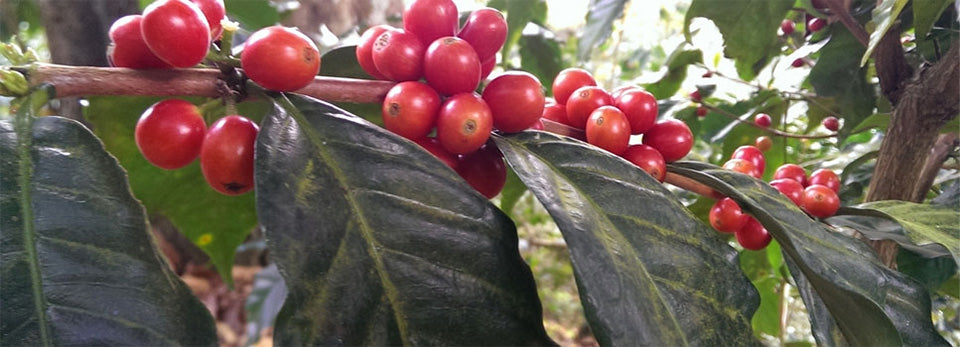
This traceable coffee, boasting a vibrant regional profile, originates from the Cooperativa Multiactiva de Asociaciones Agropecuarias del Tolima (Multicoop) association. With 379 producers cultivating small farms in the municipalities of Planadas, Rioblanco, and Chapparal, each producer operates their own micro-mill. Here, they meticulously harvest cherries, depulp, ferment, wash, and gently dry the parchment on raised beds. Their impeccable farm management and post-harvest practices culminate in a clean and consistent blend. However, there are also subtle variations from farm to farm, contributing to the rich complexity of flavors.
For years, Tolima remained largely overlooked amidst other renowned coffee-growing regions. Armed conflict and coca leaf production isolated small coffee producers, exposing them to high rates of violence. As the conflict subsided in recent years, locally organized associations have taken the lead in establishing market access for their coffee. In this region, strategies such as certifications have been instrumental in differentiating coffee in a competitive market.
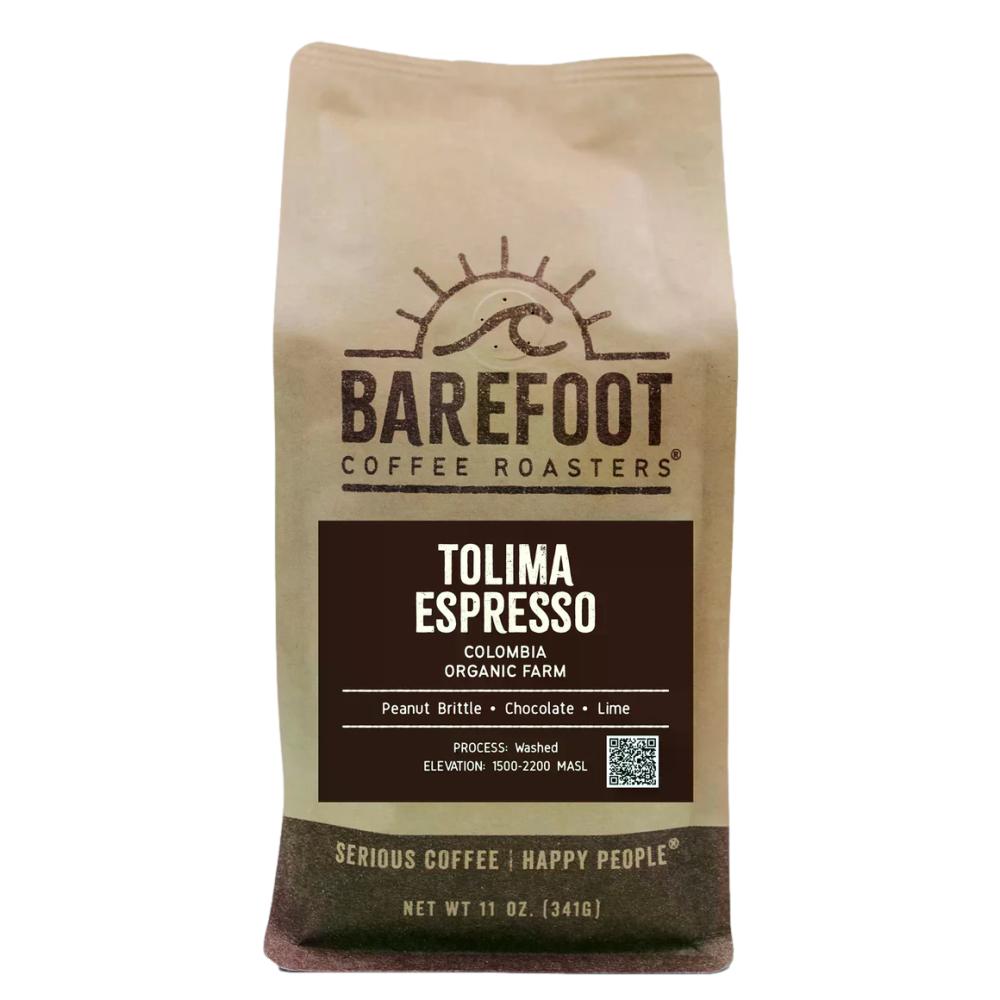
Tolima Espresso
Tolima Espresso
Couldn't load pickup availability
Characteristics
Dark
Creamy
Medium
Peanut Brittle, Chocolate, Lime
Family-Owned
Asotbilbao
1450 MASL
Washed
Planadas, Tolima
Story
This traceable coffee, boasting a vibrant regional profile, originates from the Cooperativa Multiactiva de Asociaciones Agropecuarias del Tolima (Multicoop) association. With 379 producers cultivating small farms in the municipalities of Planadas, Rioblanco, and Chapparal, each producer operates their own micro-mill. Here, they meticulously harvest cherries, depulp, ferment, wash, and gently dry the parchment on raised beds. Their impeccable farm management and post-harvest practices culminate in a clean and consistent blend. However, there are also subtle variations from farm to farm, contributing to the rich complexity of flavors.
For years, Tolima remained largely overlooked amidst other renowned coffee-growing regions. Armed conflict and coca leaf production isolated small coffee producers, exposing them to high rates of violence. As the conflict subsided in recent years, locally organized associations have taken the lead in establishing market access for their coffee. In this region, strategies such as certifications have been instrumental in differentiating coffee in a competitive market.